


How Can an HVAC Refrigerant Recovery Machine Fit Service Needs?
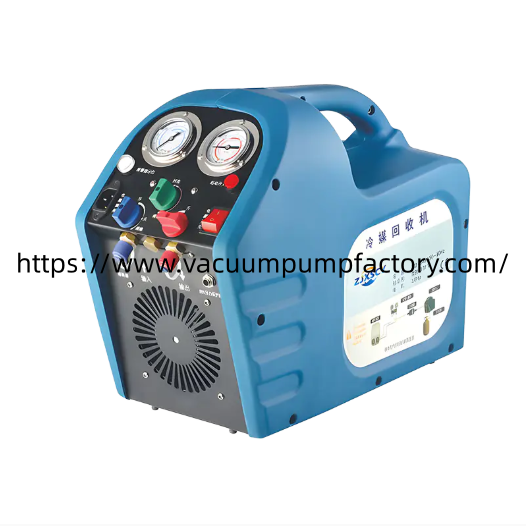
HVAC Refrigerant Recovery Machine selection should begin with a clear assessment of the systems, service tasks, and working environments involved. Buyers may handle residential air-conditioning units, commercial cooling equipment, refrigeration installations, or workshop maintenance projects. Each application can require different technical characteristics, so evaluating compatibility, capacity, controls, portability, power requirements, maintenance, and supplier support can provide a practical foundation for the purchasing process. System compatibility should be checked before comparing individual models. Buyers can identify the equipment they normally service and then review whether the selected unit is designed for those applications. Connection dimensions, hose configurations, valve arrangements, and accessory requirements should also be examined. These details can affect whether the unit can integrate smoothly with existing gauges, hoses, and other service tools. The expected workload is another important consideration. A technician handling smaller residential systems may have different requirements from a service company working with larger commercial installations. Buyers should compare rated capacity, operating pressure, motor specifications, and applicable operating parameters with their normal workload. This approach makes it easier to connect published specifications with actual service requirements. Control layout can influence daily operation as well. Technicians may need to monitor pressure and manage different stages of a maintenance procedure. Clearly marked switches, accessible controls, readable indicators, and logical operating steps can make the equipment easier to operate. Buyers can review the user manual before purchase to understand startup, shutdown, connection, and routine operating procedures. Portability should be considered when equipment will be moved between different locations. Some companies use their equipment mainly in workshops, while others transport tools to customer sites. Weight, dimensions, handle design, and storage requirements may therefore affect the selection. Buyers can consider how the unit will be transported, positioned, and stored during normal service activities. Electrical specifications deserve careful attention before an order is placed. Voltage, frequency, power consumption, and connection configuration should correspond with the intended workplace. Companies purchasing equipment for different countries or regions should verify these details with the supplier in advance. Doing so can help reduce avoidable issues related to electrical compatibility. Protection functions should be reviewed through the available technical documentation. Depending on the model, buyers may find functions associated with overload conditions, temperature monitoring, pressure protection, or automatic shutdown. Instead of focusing on the number of functions, buyers should understand what each feature does and whether it corresponds with their expected working conditions. Maintenance is another factor that can influence equipment management. Buyers can ask about cleaning procedures, inspection points, service intervals, replacement components, and storage recommendations. If the equipment will be used frequently, information about spare parts and technical assistance may also be useful. Clear maintenance instructions can help technicians organize regular checks and keep equipment ready for scheduled work. The surrounding workspace should also be taken into account. Workshop size, ventilation, ambient temperature, operating duration, and noise conditions can affect how equipment is positioned and operated. Buyers should consider the actual environment where the unit will be used rather than evaluating specifications separately from workplace conditions. Supplier communication can provide additional information during the comparison process. Product specifications, operating manuals, connection details, accessory information, and technical support arrangements can help buyers understand whether a particular model corresponds with their requirements. vacuumpumpfactory provides product information for companies comparing equipment according to different service conditions and technical specifications. A useful purchasing checklist can include system compatibility, rated capacity, operating pressure, control design, electrical requirements, portability, protection functions, maintenance needs, and supplier support. Reviewing these categories together gives buyers a more complete basis for comparing equipment. For additional product details and available options, visit https://www.vacuumpumpfactory.com/ and review the specifications that correspond with your intended application.

 English
 French
 Spanish
 Portuguese
 Deutsch
 Turkish
 Dutch
Dutch
 Italiano
 Russian
 Romaian
 Portuguese (Brazil)
 Greek
Greek
 Indonesia