


KP Gear Pump For Flexible Hydraulic Systems
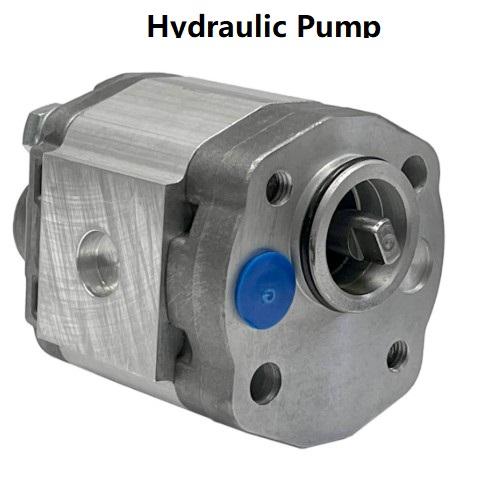
Selecting a hydraulic component is often about finding the right balance between machine requirements, installation conditions, and everyday operation. For systems that need a straightforward fluid transfer solution, a KP Gear Pump can provide a practical approach to hydraulic power transmission. When a KP Gear Pump is considered for new equipment or replacement work, buyers can look beyond basic pump specifications and examine flow requirements, operating pressure, mounting space, fluid compatibility, and the working environment as a complete set. This makes the selection process more closely connected with the actual machine application.
Start With The Hydraulic Circuit
Before selecting a pump, it helps to understand how the hydraulic circuit is expected to operate. The pump is responsible for moving fluid through the system, while valves, cylinders, motors, and other components determine how that energy is used.
Flow demand is an important starting point because pump displacement and rotational speed influence the amount of fluid delivered. Pressure requirements also need attention, particularly when equipment performs lifting, pressing, steering, or other demanding hydraulic tasks. Looking at the complete circuit can help buyers avoid selecting a pump based on one specification alone.
Consider Space And Connection Details
A technically suitable pump still needs to fit the equipment correctly. Installation space, shaft arrangement, mounting points, inlet and outlet connections, and rotation direction can all affect compatibility.
This becomes especially relevant when replacing an existing pump. A replacement component may need to work with an established hydraulic layout rather than a newly designed system. Checking dimensions and connection requirements before purchasing can reduce unnecessary modifications during installation.
A compact pump structure can also be useful when machinery has limited internal space. However, available clearance should be checked carefully so that installation, inspection, and future maintenance remain convenient.
Liming-Machine Solutions For Different Equipment
Hydraulic gear pumps are used across a range of equipment because their mechanical structure offers a direct method of transferring hydraulic fluid. Applications described by the manufacturer include industrial machinery, construction equipment, agricultural vehicles, material-handling equipment, and certain marine systems.
Different machines naturally place different demands on their hydraulic systems. A construction machine may require hydraulic power for lifting or movement, while manufacturing equipment can use hydraulic pressure as part of a controlled production process. This means the same general pump category can appear in very different applications, but the actual selection still needs to match the machine.
Pay Attention To Operating Conditions
Hydraulic performance is influenced by more than pressure and flow. Fluid type, temperature, rotational speed, duty cycle, and environmental conditions can all affect how a pump operates. The manufacturer specifically recommends considering fluid compatibility, installation constraints, temperature, environmental exposure, and duty cycles when selecting KP gear pumps.
Clean hydraulic fluid is also important because contamination can affect internal components over time. Regular inspection of connections, seals, fluid condition, and unusual operating behavior can help maintenance teams identify potential problems earlier.
For applications where variable flow is required, buyers should also understand the characteristics of fixed-displacement gear pumps. The manufacturer's technical overview notes that flow is related to pump speed, so additional hydraulic controls may be required when a system needs more flexible flow management.
Making A More Suitable Pump Choice
A useful hydraulic pump selection process starts with the equipment rather than the product name. Buyers can first identify the required flow, pressure range, operating speed, fluid, installation method, and environmental conditions. These details provide a clearer basis for comparing available models.
Maintenance requirements should also be considered before installation. A pump that can be inspected and serviced conveniently may make routine equipment management easier over time. For distributors, machinery manufacturers, and replacement-parts buyers, understanding the application can also make product communication more accurate.
By considering the hydraulic circuit, physical installation, operating conditions, and maintenance requirements together, buyers can make a more informed choice for their equipment. To explore gear pumps and related machinery solutions, visit https://www.liming-machine.com for more product information.

 English
 Arabic
 French
 Spanish
 Portuguese
 Deutsch
 Turkish
 Dutch
Dutch
 Russian
 Romaian
 Portuguese (Brazil)
 Greek
Greek
 Indonesia