


What Are the First Signs That Your Car Needs Professional Repair?
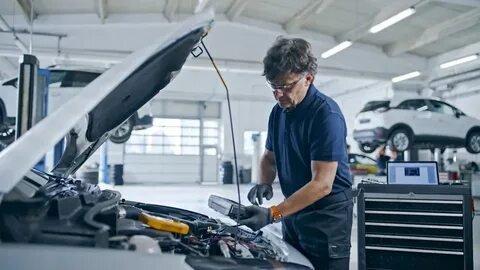
Your car rarely develops a serious mechanical problem without showing some warning first. Strange noises, dashboard lights, unusual vibrations, fluid leaks, braking changes, and reduced performance can indicate developing issues. Recognizing these symptoms early allows a qualified technician to diagnose the cause before a minor problem develops into an expensive repair or unexpected breakdown.
1. Dashboard Warning Lights Appear
Dashboard warning lights are among the clearest signs that your vehicle needs attention. The check engine light, oil pressure light, temperature warning, ABS light, and battery warning can indicate different problems. A steady check engine light generally requires diagnosis, while a flashing check engine light can indicate a more serious condition requiring immediate attention.
Modern vehicles use an onboard diagnostics system to monitor numerous engine, emissions, electrical, and drivetrain components. A warning light does not always identify the exact failed component, so replacing parts based only on the light can be ineffective. A professional diagnostic scan helps identify stored fault codes and determine the underlying problem.
2. Your Car Makes New or Unusual Noises
Unfamiliar sounds should never be dismissed simply because the vehicle still drives normally. Grinding during braking may indicate worn brake components, while clicking, knocking, squealing, or ticking can point toward problems involving the engine, suspension, belts, bearings, or other mechanical components. The location, timing, and frequency of the sound can help technicians identify its source.
Pay particular attention when a noise changes with acceleration, braking, steering, or road speed. A sound that appears only while turning could involve steering or suspension components, while grinding during braking deserves prompt inspection. Recording when the noise occurs can also help a mechanic reproduce the symptom during diagnosis.
3. Braking Feels Different
Changes in braking performance are among the most important warning signs because the braking system directly affects vehicle safety. A soft or spongy brake pedal, grinding or squealing, vibration during braking, pulling to one side, or increased stopping distance can indicate brake wear or another system problem. These symptoms should receive prompt professional attention.
If the brake pedal suddenly feels unusually low or sinks toward the floor, avoid treating the symptom as normal wear. Possible causes include hydraulic problems, brake fluid loss, worn components, or other faults. Professional inspection can determine whether the vehicle needs brake pads, rotors, fluid service, caliper work, or a more extensive repair.
4. The Engine Overheats or Loses Power
An engine temperature gauge moving toward the hot zone, steam under the hood, coolant leaks, unusual smells, or sudden power loss can indicate an overheating problem. Cooling-system components such as the radiator, thermostat, water pump, hoses, and coolant system may be involved. Continuing to drive an overheating vehicle can cause severe engine damage.
If overheating occurs, safely pull over and shut the engine off rather than continuing toward a repair shop. Do not immediately open a hot radiator or cooling system because pressurized coolant can cause serious burns. Once the vehicle is safely stopped, professional roadside assistance or towing may be appropriate until the cause has been diagnosed.
5. You Notice Fluid Leaks
Puddles or spots underneath your vehicle can indicate leaking oil, coolant, transmission fluid, brake fluid, or another automotive fluid. While clear water beneath a vehicle can simply be normal air-conditioning condensation, unexplained colored or oily fluid deserves attention. A technician can identify the fluid, locate its source, and determine whether continued driving is appropriate.
Fluid leaks can become progressively worse as seals, hoses, gaskets, or other components deteriorate. A small leak may eventually lower fluid levels enough to affect lubrication, cooling, braking, or transmission operation. Instead of repeatedly topping up fluids without identifying the cause, have the vehicle inspected so the underlying problem can be addressed properly.
6. Steering, Suspension, or Tires Behave Differently
Changes in steering response, excessive bouncing, uneven tire wear, vehicle pulling, vibration, or unusual movement over bumps can indicate suspension, alignment, steering, or tire-related problems. Uneven tire wear may also provide an early clue that alignment or suspension components require attention. These symptoms can become more noticeable as components continue to wear.
Warning Signs Worth Checking Promptly
-
Steering feels loose or requires constant correction.
-
The vehicle pulls noticeably to one side.
-
Tires develop uneven or rapid wear.
-
The steering wheel vibrates at certain speeds.
-
The vehicle bounces excessively after hitting bumps.
-
Braking produces unusual vibration or pulling.
-
New clunking or knocking sounds appear over rough roads.
7. Acceleration or Gear Changes Become Unusual
A healthy vehicle should accelerate and shift predictably under normal driving conditions. Hesitation, stalling, poor acceleration, harsh gear changes, delayed engagement, or transmission slipping can indicate problems involving the engine, fuel system, transmission, ignition system, or electronic controls. The Federal Trade Commission identifies difficult starting, rough idling, poor acceleration, and transmission slipping as symptoms warranting diagnosis.
These symptoms should not automatically be attributed to one component. For example, poor acceleration can have several possible causes, including engine performance problems or transmission issues. A professional technician can inspect diagnostic data and physical components before recommending repairs. This approach reduces the risk of replacing a functioning part without addressing the actual cause.
8. Fuel Economy Suddenly Drops
A noticeable decline in fuel economy without a corresponding change in driving habits can indicate an underlying vehicle problem. Possible contributors include engine performance issues, tire-related problems, braking resistance, sensor faults, or other mechanical conditions. AAA lists an unexplained decline in fuel economy among warning signs that deserve attention.
Track fuel consumption over several fill-ups rather than judging it from one short trip. If the change remains consistent, consider scheduling an inspection. A technician can evaluate the engine, tires, brakes, diagnostic system, and other relevant components to determine whether the reduced efficiency results from a mechanical or maintenance-related issue.
When Should You Stop Driving?
Not every warning sign means the vehicle must immediately be towed, but certain symptoms require a more cautious response. Flashing warning lights, severe brake problems, overheating, significant fluid leaks, major steering problems, or sudden loss of vehicle control can create safety or mechanical risks. When in doubt, stopping safely and arranging professional assistance is preferable.
For routine concerns, an inspection can help identify problems before they become breakdowns. If you are searching for auto repair Calgary, choose a repair facility capable of diagnosing the underlying issue rather than simply replacing parts based on symptoms. Professional diagnosis is particularly valuable when multiple warning signs appear together.
Why Professional Diagnosis Matters
A vehicle symptom rarely identifies one guaranteed cause. A vibration might involve tires, wheels, brakes, suspension, or drivetrain components, while a warning light can represent multiple possible faults. A professional technician combines diagnostic equipment, visual inspection, measurements, and mechanical testing to narrow down the actual cause and determine the appropriate repair.
Regular inspections also provide an opportunity to identify developing problems before they affect reliability or safety. For drivers looking for a local repair provider, Heritage AutoPro and Tire is an established auto repair shop in Calgary where vehicle concerns can be evaluated by automotive professionals. The right repair decision should always follow an appropriate diagnosis.
Final Takeaway
The first signs of vehicle trouble are often changes that drivers notice during ordinary use: warning lights, unusual noises, braking changes, overheating, fluid leaks, steering problems, poor acceleration, or declining fuel economy. Acting on these symptoms early can help prevent a developing issue from becoming a larger mechanical problem or an unexpected roadside breakdown.

 English
 Arabic
 French
 Portuguese
 Deutsch
 Turkish
 Dutch
Dutch
 Italiano
 Russian
 Romaian
 Portuguese (Brazil)
 Greek
Greek
 Indonesia