


Which Kaixinmagnetic Permanent Magnet Lifting Device Features Support Faster Material Movement
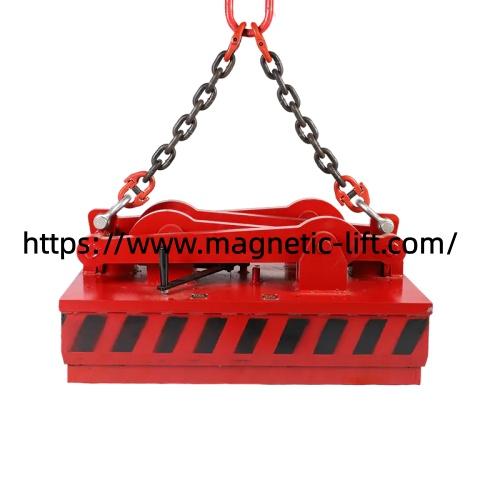
Permanent Magnet Lifting Device technology can help manufacturers simplify the movement of ferrous materials while reducing several manual preparation steps. In workshops, fabrication plants, warehouses, and metal processing areas, operators often need to transfer steel plates, blocks, bars, and other compatible components between different workstations. A magnetic solution can provide direct contact with suitable ferrous surfaces, allowing workers to engage a load, move it into position, and release it when placement is complete. This approach can make repeated material transfer more convenient while supporting a more organized workflow.
One practical benefit is the reduced need for separate attachment accessories during suitable applications. Traditional handling methods may require workers to prepare chains, hooks, slings, or similar equipment before moving a component. A magnetic unit can connect directly with an appropriate metal surface, which may reduce preparation time for repeated tasks. When several pieces need to be transferred during a production cycle, a straightforward engagement and release process can help workers maintain a steady sequence between workstations.
Operating convenience is another consideration for industrial users. Permanent magnetic technology can maintain its holding function without requiring continuous electrical power. This can be useful in workplaces where electrical connections are inconvenient or where operators prefer a handling method without trailing cables. Depending on the model, a manual control mechanism can allow the user to activate or release the magnetic circuit through a simple operating procedure. Clear operating instructions and appropriate training remain important for safe use.
Material compatibility has a direct effect on practical performance. Buyers should not evaluate lifting capacity by weight alone. Workpiece thickness, surface condition, shape, contact area, and material characteristics can influence how effectively the magnetic circuit engages with a load. A flat steel plate may provide different contact conditions from a round bar or curved component. Reviewing technical specifications and application guidance before purchasing can help users select equipment that corresponds with their actual production requirements.
Surface preparation can also influence handling reliability. Dirt, rust, paint, gaps, uneven surfaces, and other conditions may affect contact between the equipment and the workpiece. Keeping the contact area reasonably clean and checking the condition of both the equipment and load can support more consistent operation. Operators should also follow the rated working capacity and workplace procedures instead of assuming that every compatible metal object can be handled under the same conditions.
Efficiency is particularly relevant when material movement occurs frequently. A workshop may need to transfer components from storage to cutting equipment, from fabrication stations to machining areas, or between inspection and packing locations. When a suitable magnetic handling method is integrated into these workflows, workers can spend less time preparing attachment accessories and more time completing the actual transfer. The benefit is not simply speed. A clear and repeatable handling sequence can also contribute to smoother coordination between different production stages.
For purchasing teams, the selection process should begin with the intended application. Consider the typical workpiece weight, dimensions, surface condition, shape, lifting frequency, and required movement path. It is also useful to examine how operators will engage and release the load and whether the equipment can accommodate the materials commonly used at the facility. Different applications may require different capacities or configurations, so matching the product with actual working conditions is an important part of responsible equipment selection.
Inspection should remain part of normal operation. Before use, workers can check the equipment for visible damage, unusual wear, or other conditions that could affect its function. The load should be positioned correctly, and operators should avoid exceeding the stated working limit. Proper procedures can help maintain a controlled handling process and reduce unnecessary risks during material movement.
Kaixinmagnetic provides magnetic lifting solutions intended for industrial handling applications, with product options that can be evaluated according to different workpiece and operating requirements. For manufacturers, distributors, and industrial buyers, selecting a suitable configuration can support convenient movement of compatible materials while keeping daily workflows practical.
A thoughtful purchasing decision combines product specifications with real workplace conditions. Buyers can review capacity, construction, control method, application suitability, and operating requirements before choosing a model. Product information is available at https://www.magnetic-lift.com/product/

 English
 Arabic
 Spanish
 Portuguese
 Deutsch
 Turkish
 Dutch
Dutch
 Italiano
 Russian
 Romaian
 Portuguese (Brazil)
 Greek
Greek
 Indonesia