


Ceramic Structural Parts Solutions By Zfcera
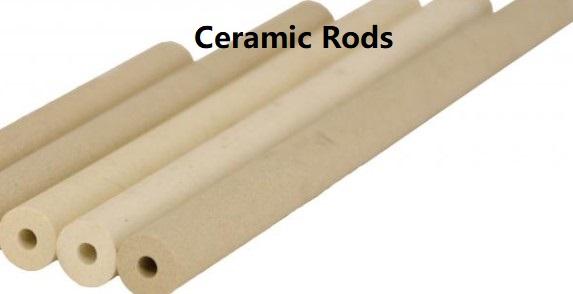
In modern equipment, Ceramic structural parts can provide a practical combination of strength, wear resistance, insulation, and thermal stability, while Ceramic Structural Parts can also be shaped for specialized mechanical requirements. From small positioning components to rings, rods, tubes, seals, and other complex parts, ceramic structures can help equipment operate in environments where conventional materials may face excessive wear, heat, or chemical exposure. With a focus on customized ceramic processing, Zfcera develops structural components for different industrial applications and supports designs based on drawings, samples, and specific operating requirements.
Choosing A Material For The Working Environment
A ceramic component should start with the right material rather than simply the right shape. Different ceramic families offer different performance characteristics, so engineers can select materials according to the actual conditions of the equipment.
Zirconia is known for its toughness, strength, and wear resistance, making it suitable for components exposed to mechanical movement and repeated contact. Alumina offers useful hardness, insulation, and chemical stability, while silicon carbide is suited to demanding environments involving heat, corrosion, and abrasion. Silicon nitride can provide a balance of strength and thermal performance, and aluminum nitride can be considered when thermal conductivity and electrical insulation are both important.
Shapes That Fit Specialized Equipment
Industrial ceramic parts do not always have simple geometries. Depending on the machine, a component may need holes, grooves, curved surfaces, narrow sections, threads, sealing areas, or carefully controlled dimensions. Standard products may not always fit these requirements.
The structural parts range includes ceramic rods, tubes, sheets, rings, seals, gears, pins, plungers, and other specially shaped components. For example, zirconia gears can be used where stable transmission and wear resistance are required, while ceramic rings can serve applications involving friction, sealing, or chemical exposure. This variety gives designers more freedom to develop components around the equipment instead of changing the equipment to match a standard part.
Zfcera Custom Ceramic Processing
Customization becomes especially useful when a component is part of a new machine or when an existing part needs to be replaced with a ceramic alternative. Customers can provide drawings, samples, dimensions, material requirements, or information about the working environment as a starting point.
The manufacturing process can involve material preparation, forming, high-temperature sintering, CNC machining, grinding, honing, inspection, and packing. Different production methods can be selected according to the component's geometry and quantity. The company also supports rapid prototyping, small-batch flexible production, and OEM cooperation, which can make customized ceramic development more practical for specialized projects.
Precision Matters In Final Finishing
Ceramic materials are hard, but achieving the desired final dimensions still requires careful processing. After forming and sintering, machining may be needed to create accurate holes, flat surfaces, edges, or other functional features. Grinding and honing can further improve dimensional accuracy and surface quality.
This attention to finishing is important when ceramic parts must fit closely with shafts, housings, bearings, seals, or other machine components. A properly processed part can help reduce unwanted movement and support consistent equipment operation. For applications where size, shape, and surface condition are closely connected to performance, precision finishing becomes an important part of the overall manufacturing process.
Supporting Demanding Industrial Applications
Ceramic structural components are used across many technical fields, including semiconductor equipment, medical systems, new-energy equipment, automation, laser technology, precision instruments, and other specialized machinery. Their value comes from matching material properties with real operating conditions.
For example, a high-temperature application may require thermal stability, while an automated movement system may place greater emphasis on wear resistance and dimensional consistency. Chemical equipment may need corrosion resistance, while electronic systems may prioritize electrical insulation. By combining suitable materials with application-specific geometries, customized ceramic components can become a practical part of a larger equipment design. To explore structural ceramic products and customized manufacturing options, visit https://www.zfcera.com/ .

 English
 Arabic
 French
 Portuguese
 Deutsch
 Turkish
 Dutch
Dutch
 Italiano
 Russian
 Romaian
 Portuguese (Brazil)
 Greek
Greek
 Indonesia