


Dental Cleaning and Why It Matters for a Healthy Smile
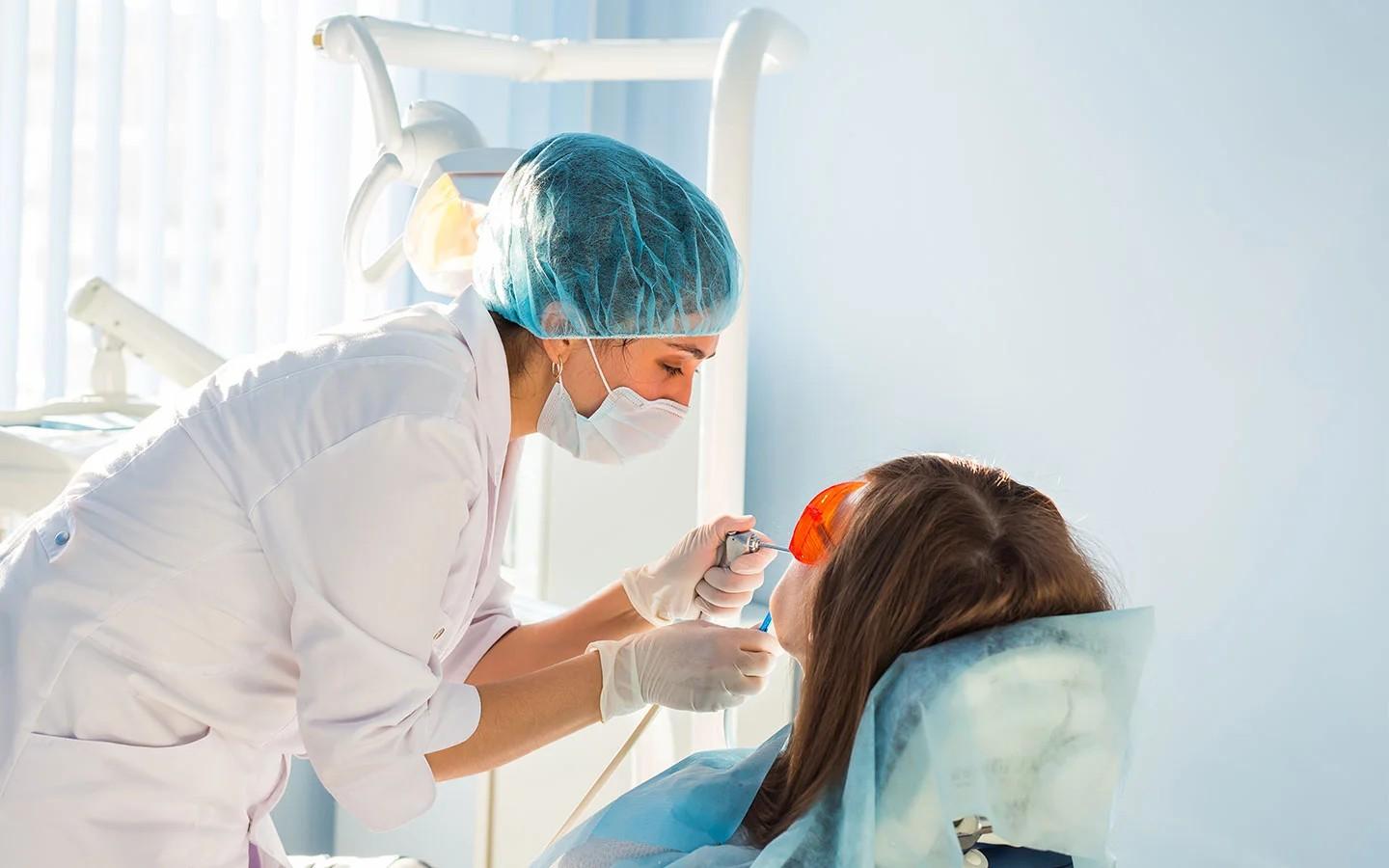
A clean smile is not only about having teeth that look bright. Good oral hygiene also helps protect the gums, reduce harmful bacterial buildup, and support the long-term health of the entire mouth. While brushing and flossing at home are essential, they cannot always remove every trace of plaque and tartar. This is why professional Dental cleaning remains an important part of routine dental care.
Regular cleaning gives dental professionals an opportunity to remove stubborn deposits, examine the condition of the teeth and gums, and identify potential concerns at an early stage. A consistent approach to preventive care can make maintaining a healthy smile much easier.
What Happens During a Professional Cleaning?
A professional dental cleaning is designed to remove plaque, tartar, and surface stains that regular brushing may not completely eliminate. The dental professional first examines the mouth to assess the condition of the teeth and gums.
Specialized instruments can then be used to carefully remove hardened deposits from around the gumline and other difficult-to-reach areas. After this process, the teeth may be polished to help remove certain surface stains and leave them feeling smoother.
Depending on individual needs, the dental professional may also provide advice about brushing techniques, flossing, and other daily habits. The goal is not simply to make the teeth feel clean after an appointment but to help patients maintain better oral health between visits.
Why Plaque and Tartar Should Not Be Ignored
Plaque is a thin, sticky film containing bacteria that develops naturally on the teeth. If it is not removed effectively, it can remain around the gumline and contribute to irritation.
When plaque hardens, it becomes tartar. Unlike soft plaque, tartar cannot be removed effectively with an ordinary toothbrush. It can create rough surfaces where additional bacteria and plaque accumulate.
Over time, this buildup may contribute to gum inflammation, unpleasant breath, tooth sensitivity, and other oral health problems. Professional cleaning helps control deposits before they have a greater opportunity to affect the teeth and gums.
Supporting Healthy Gums
Healthy gums are an important part of a healthy smile. Persistent plaque and tartar around the gumline can cause the gums to become red, swollen, or prone to bleeding.
Professional cleaning can help reduce the buildup responsible for these problems. It also allows dental professionals to monitor gum health during routine visits.
If signs of gum disease are detected, early attention may help prevent the condition from becoming more serious. This makes regular cleaning valuable not only for maintaining clean teeth but also for supporting the tissues that hold them in place.
Dental Cleaning Is More Than a Cosmetic Treatment
Many people associate professional cleaning limpieza dental terrassa with achieving a brighter smile, particularly when surface stains have accumulated. Although cleaning can improve the appearance of teeth, its primary purpose is maintaining oral health.
Removing plaque and tartar can help create a cleaner environment in the mouth. It can also make daily brushing and flossing more effective by reducing deposits that interfere with proper cleaning.
A clean mouth can contribute to fresher breath and a more comfortable feeling throughout the day. These benefits make professional cleaning an important preventive service rather than simply a cosmetic procedure.
How Often Should Teeth Be Professionally Cleaned?
The ideal cleaning schedule varies from person to person. Some individuals may benefit from routine appointments at regular intervals, while others may require more frequent professional care because of gum problems, tartar buildup, orthodontic appliances, or other factors.
Rather than following the same schedule as everyone else, patients should discuss their oral health with a dental professional. An examination can help determine an appropriate cleaning frequency based on individual needs.
Keeping appointments consistent is important because plaque and tartar can gradually accumulate even when daily oral hygiene is good.
Making the Most of Your Cleaning Appointment
Professional care works best when supported by healthy habits at home. Brushing twice daily with fluoride toothpaste is an important foundation. Cleaning between the teeth with floss or another suitable interdental cleaning method can help reach areas that toothbrush bristles may miss.
It is also useful to pay attention to changes in the mouth. Bleeding gums, persistent bad breath, unusual sensitivity, swelling, or discomfort should not be ignored.
Patients should also follow any personalized recommendations provided by their dental professional. Small adjustments to brushing technique or daily cleaning habits can make a meaningful difference over time.
Dental Cleaning Before Other Treatments
Maintaining good oral hygiene can be particularly valuable for patients considering other dental treatments. Before procedures such as whitening, restorative work, or dental implants, the condition of the teeth and gums may need to be evaluated.
A professional cleaning can help remove accumulated deposits and provide a clearer picture of overall oral health. In some cases, addressing hygiene or gum concerns first may contribute to a healthier foundation for subsequent treatment.
A comprehensive dental approach looks beyond individual procedures and considers the health of the entire mouth.
A Simple Step Toward Long-Term Oral Health
Professional Dental cleaning is one of the simplest ways to support a healthier mouth. By removing stubborn plaque, tartar, and surface buildup, it complements everyday brushing and interdental cleaning while giving dental professionals an opportunity to monitor changes in oral health.
Regular appointments, combined with consistent home care, can help protect the teeth and gums and reduce the likelihood of preventable problems becoming more complicated. A clean smile is not just about appearance—it is part of a broader commitment to comfort, confidence, and long-term oral health.

 English
 Arabic
 French
 Spanish
 Portuguese
 Deutsch
 Turkish
 Italiano
 Russian
 Romaian
 Portuguese (Brazil)
 Greek
Greek
 Indonesia