


Why Should Zhiguangplastic Flat Pallets Be Checked During Regular Handling
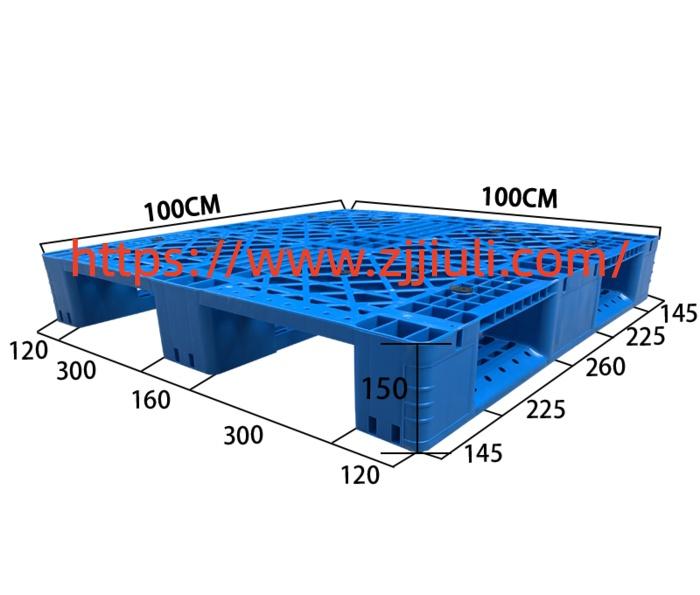
Flat Pallets should be treated as part of a warehouse maintenance routine rather than as equipment that can simply be used without regular attention. During daily operations, repeated movement, impacts, moisture, dirt, and improper stacking can gradually affect their condition. A practical inspection and cleaning schedule helps warehouse teams notice visible damage early and keep reusable handling equipment organized. Industry guidance on reusable packaging also emphasizes proper storage, cleaning, inspection, and reconditioning as part of responsible handling practices.
One useful habit is to check the surface before placing a new load. Operators can look for cracks, broken sections, deformation, or other visible changes. Particular attention should be given to corners, support areas, and sections that regularly contact lifting equipment.
Small defects may become more noticeable when equipment is repeatedly loaded or moved. Recording damaged units and separating them from active stock can make warehouse management easier. This approach also gives supervisors a clearer picture of recurring handling problems.
Handling methods deserve equal attention. Forklift forks and pallet jack wheels should be positioned correctly before lifting. Sudden impacts against racks, doors, walls, or other loads can create unnecessary stress. Operators should avoid dragging units across rough surfaces when lifting is practical.
Training employees to use consistent handling methods can reduce avoidable damage. Clear operating procedures are particularly useful in busy warehouses where several teams work across different shifts. The goal is not complicated maintenance. It is consistent daily care.
Cleaning is another important part of routine management. Dust, packaging fragments, spilled materials, and other debris can collect around support sections and surface openings. Regular removal keeps storage areas orderly and makes visual inspection easier.
Cleaning methods should match the material and the type of contamination involved. Harsh chemicals should not be used unless they are confirmed as suitable by the manufacturer or relevant material guidance. After washing, units should be allowed to dry appropriately before being returned to storage or service.
Storage conditions can also influence service life. Empty units should be placed on stable surfaces and arranged in a way that prevents unnecessary bending or impact. Excessive height should be avoided when stacking could create instability.
Outdoor storage requires additional consideration. Extended exposure to sunlight, rain, temperature changes, and other environmental conditions may affect some plastic products over time. If outdoor storage is necessary, buyers should discuss suitable material and storage recommendations with the manufacturer.
Warehouse cleanliness has a broader role as well. International plant protection guidance highlights inspection and cleaning as important elements in managing contamination and pest related risks in logistics environments. Keeping transport equipment clean can therefore support both routine warehouse organization and appropriate logistics practices.
Another practical step is to create a simple inspection record. The record can include the inspection date, visible condition, cleaning status, location, and action taken. When several units are used repeatedly, this information can help identify patterns and improve purchasing decisions.
Replacing damaged equipment should also be based on actual condition. A unit with visible structural damage should not automatically return to service simply because it is still available. Warehouse managers can establish internal inspection criteria according to cargo weight, handling equipment, storage arrangements, and operational requirements.
Zhiguangplastic provides plastic logistics products designed for practical warehouse and transportation applications. Working with a manufacturer allows buyers to discuss dimensions, material options, structural requirements, and intended working conditions before placing an order. Sharing information about the warehouse environment can help create a more suitable product specification.
For businesses reviewing plastic logistics solutions, product information and available manufacturing options can be viewed at https://www.zjjiuli.com/product/ A sensible maintenance routine, careful handling, suitable storage, and regular inspection can work together to keep reusable transport equipment in an orderly condition throughout everyday warehouse operations.

 English
 Arabic
 French
 Spanish
 Portuguese
 Deutsch
 Turkish
 Italiano
 Russian
 Romaian
 Portuguese (Brazil)
 Greek
Greek
 Indonesia