


What Safety Steps Does Lhmachinery Recommend for a High Speed Cold Heading Machine
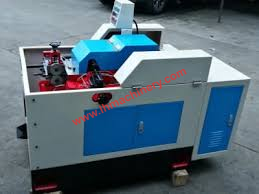
A machine operator steps onto the factory floor, faces a bank of controls, and begins the morning routine of starting a multi-station forming unit that turns coiled wire into precision fasteners. The speed impresses everyone who watches, yet that velocity carries inherent risks that demand constant attention. Proper safety protocols transform a potentially dangerous workspace into a productive environment where workers feel secure. The question of what precautions matter most recurs in every fastener facility, but experienced supervisors know that the answer depends on a combination of machine design, operator discipline, and ongoing training. Does a high speed cold heading machine from a manufacturer like lhmachinery incorporate features that simplify safe operation, or does safety rest entirely on the human operator's vigilance?
The physical layout around the machine establishes the first line of defense, because clear floor markings and unobstructed access prevent trips and collisions that distract from machine monitoring. Operators should maintain a defined working zone that keeps unnecessary personnel away from the feeding area, where wire enters at considerable tension. The machine's moving parts, including the cut-off mechanism and transfer fingers, operate in rapid succession, and any loose clothing or jewelry could catch and pull an operator into the danger zone. Facilities typically post visible warning signs that remind everyone of these hazards, and experienced workers know never to reach into the die area while the machine cycles. A well-organized workstation includes designated holders for tools and gauges, so operators never place items on the machine frame where vibrations could dislodge them into moving components.
Personal protective equipment forms the operator's personal barrier against injury, and the requirements for a high speed cold heading machine go beyond basic safety glasses. Hearing protection becomes essential because the impact of punches and the transfer of parts generate sustained noise levels that damage hearing over time. Steel-toed boots protect feet from heavy dies or falling workpieces, while close-fitting sleeves and gloves designed for metal handling reduce abrasion without creating entanglement hazards. Some operations require face shields when adjusting the feed or clearing jams, because wire fragments or broken tooling can eject from the machine at high velocity. The facility's safety officer should verify that each operator wears properly fitted equipment and replaces worn items before they fail, because compromised gear offers false confidence rather than genuine protection.
Lockout and tagout procedures provide the formal framework for maintenance and clearing operations, because even a momentary restart during service causes catastrophic injury. Each operator receives training on the specific lockout points for the machine, including the main power disconnect, hydraulic pressure release, and pneumatic bleeder valves. Before any operator enters the die area to change tooling or remove a jammed piece, they secure the energy sources with their personal padlock and tag, ensuring that no one else can energize the machine during their work. Supervisors conduct periodic audits of lockout compliance, checking that locks remain in place and that operators follow the sequence exactly. This discipline extends to shift changes, where incoming operators verify that the machine remains in a safe state before assuming control.
Emergency stop devices offer immediate shutdown capability, yet operators must know their precise locations and how to actuate them without hesitation. The machine's control panel features clearly labeled e-stop buttons, and additional pull-cords along the machine's length allow activation from multiple positions. Regular drills test the response time of operators and supervisors, building muscle memory that proves crucial during actual emergencies. After an e-stop activation, a systematic restart procedure confirms that the cause of the stop has been fully addressed, because resetting without investigation repeats the hazardous condition. This restart protocol includes visual inspection of the die area, verification of guard positions, and a slow jog cycle that confirms proper operation before returning to full production speed.
Noise and vibration monitoring serves a dual purpose, protecting both the machine and the operator. Excessive vibration often indicates a tooling problem or misalignment that could lead to a sudden failure, expelling fragments that injure nearby personnel. Operators trained to recognize abnormal sounds or feel changes in the machine's rhythm can stop production before a catastrophic event occurs, and they know to report these observations through a formal process that triggers maintenance review. The facility's commitment to a quiet, smooth-running machine reflects its broader safety culture, because worn components that increase noise also increase risk. Routine checks of mounting bolts, die alignment, and feed tension become safety inspections as much as maintenance tasks.
Operator training and certification establish a baseline for safe operation, because familiarity with the machine's specific controls and behaviors reduces errors. New operators undergo supervised practice on an idle machine, learning the location of every control and the feel of each adjustment before they handle live production. The training covers not only routine operation but also abnormal situations, such as wire breaks, tooling fractures, or unexpected stops, because the correct response to these events differs from normal shutdown. Experienced operators mentor newcomers during their initial weeks, offering guidance that cannot be captured in manuals. This peer-to-peer learning builds a safety-conscious culture where every worker feels responsible for their own safety and that of their colleagues.
The environment around the machine requires attention to housekeeping, because oil spills, scattered trim, or mislaid tools create slipping and tripping hazards. Clean floors improve traction and visibility, while proper disposal of waste wire prevents accumulation that could entangle an operator's feet. Adequate lighting around the die area and the control panel ensures that operators see clearly when setting up or inspecting the machine, reducing the chance of errors made in poor visibility. The facility schedule includes regular cleaning breaks, and operators receive designated time to tidy their workstations without sacrificing production targets. A tidy machine is a safer machine, because clutter obscures problems and complicates emergency access.
For those who prioritize worker protection in fastener manufacturing, the safety features and support structures provided by a reliable supplier make a significant difference. The engineering team behind the machine designs accessible inspection points, clear guarding, and intuitive controls that encourage safe habits. Meanwhile, the operating philosophy of the facility determines how effectively these features get used, because even the best design cannot compensate for complacency or shortcuts. The comprehensive product documentation and service guidance available through https://www.lhmachinery.com/ offers a practical reference for understanding how safety integrates into the overall machine offering, ensuring that every operation begins with protection as the first priority

 English
 Arabic
 French
 Spanish
 Portuguese
 Deutsch
 Turkish
 Dutch
Dutch
 Russian
 Romaian
 Portuguese (Brazil)
 Greek
Greek
 Indonesia