


Which Details Should Kaixinmagnetic Lifting Permanent Magnet Buyers Review
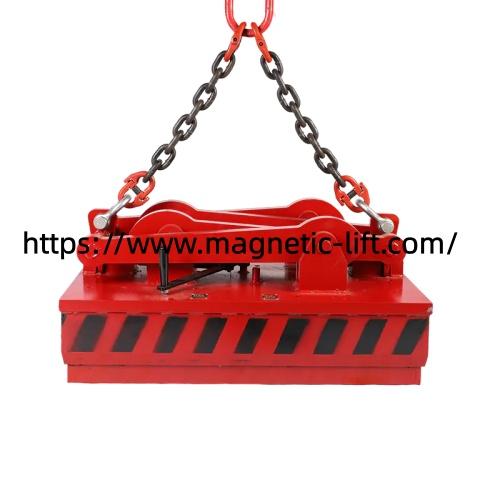
Lifting Permanent Magnet selection deserves careful attention when steel materials need to be moved in workshops, fabrication areas, warehouses, and production facilities. A suitable unit should correspond with the actual load rather than relying only on a capacity number. Weight, thickness, surface condition, shape, and handling direction all deserve review before purchasing equipment.
The first point to consider is rated capacity. Buyers should identify the lightest, typical, and heaviest loads that will be handled during normal operations. Selecting equipment around one maximum weight may not provide enough information for everyday use. The application should be assessed across a realistic range of materials, including flat plates, blocks, bars, beams, and other steel components.
Material thickness is another practical factor. Magnetic coupling depends on how effectively the magnetic circuit interacts with the workpiece. Thin steel may behave differently from thicker material under the same conditions. Buyers should therefore provide suppliers with minimum, typical, and maximum thickness information. This allows manufacturers to assess whether the proposed configuration corresponds with the actual material range.
Surface condition should also be examined before making a purchasing decision. Rust, paint, mill scale, dust, uneven machining, and other layers can create a gap between the contact area and the steel surface. Such gaps can affect magnetic coupling. A clean and reasonably flat surface generally provides more predictable contact than a heavily coated or uneven one.
Workpiece geometry is equally important. Flat plates and round materials may require different contact arrangements. A curved surface can reduce the direct contact area between the magnetic poles and the material. Buyers handling pipes, cylindrical bars, beams, or irregular components should communicate the shape and dimensions of their workpieces to the manufacturer.
It is also useful to distinguish between lifting applications and fixed machining applications. A Permanent Chuck may be suitable for certain workshop tasks where magnetic holding is needed during positioning or machining. A lifting application has different requirements because the equipment must support suspended material under controlled operating conditions. Understanding the difference helps buyers communicate their actual needs more clearly.
The working environment deserves attention as well. Temperature, moisture, dust, contamination, handling frequency, and available lifting machinery can influence equipment selection. A workshop that moves material occasionally may have different requirements from a production facility where steel components are handled throughout the day.
Connection compatibility should not be overlooked. Buyers should confirm whether the lifting eye, hook connection, crane arrangement, or hoist system is suitable for the selected equipment. The available overhead handling system should be considered before an order is placed. This can help avoid compatibility problems during installation and daily operation.
Safety documentation should be reviewed carefully. Buyers should check rated capacity, applicable working conditions, minimum material thickness, recommended surface requirements, inspection guidance, and relevant testing information. A capacity figure should always be considered together with the conditions under which that figure applies.
Routine inspection is another part of responsible equipment use. Operators should keep contact surfaces clean and check visible components for contamination, damage, or unusual wear. Handles, lifting points, housing components, and other mechanical parts should be examined according to the manufacturers instructions. Clear operating procedures can also help different workers follow the same handling practices.
For purchasing teams, providing detailed application information can make supplier communication more efficient. Useful information includes material weight, dimensions, thickness, surface condition, shape, lifting direction, operating temperature, and handling frequency. With these details available, manufacturers have a clearer basis for discussing suitable configurations.
Kaixinmagnetic focuses on magnetic handling equipment for industrial applications and works around practical requirements such as material dimensions, load conditions, and workshop usage. This application based approach gives customers useful information when comparing different configurations for their facilities.
Before making a final decision, buyers can also consider sample evaluation when the application involves unusual surfaces, thin materials, irregular shapes, or varying load conditions. Testing representative workpieces can provide useful insight into how the equipment fits the intended workflow.
Choosing appropriate handling equipment starts with understanding the materials and working environment rather than focusing on a single specification. By reviewing capacity, thickness, surface condition, geometry, connection requirements, operating conditions, and inspection needs, buyers can make a more informed purchasing decision. Kaixinmagnetic offers a range of magnetic handling solutions for different industrial requirements. Customers can review available models and application options at https://www.magnetic-lift.com/product/ and compare products according to their actual material handling needs.

 English
 Arabic
 French
 Spanish
 Portuguese
 Deutsch
 Turkish
 Dutch
Dutch
 Italiano
 Russian
 Romaian
 Greek
Greek
 Indonesia