


Signs Your Furnace Needs Professional Repair
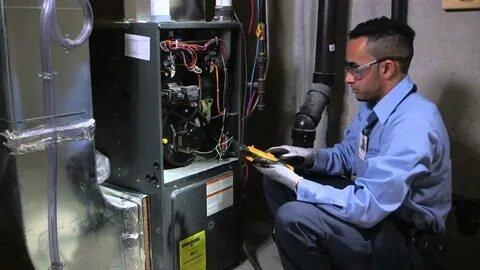
A furnace rarely fails without warning. In most cases, it gives off subtle signals for days, weeks, or even months before a complete breakdown occurs unusual sounds, inconsistent heating, rising bills, or strange smells that are easy to dismiss as minor annoyances. Learning to recognize these early warning signs can mean the difference between a simple repair and an emergency replacement in the middle of winter. This guide covers the most important signs that indicate your furnace needs professional attention.
Unusual Noises During Operation
Furnaces are designed to run relatively quietly, so new or unusual sounds are often the first indication that something is wrong internally. Banging noises when the furnace starts up can point to delayed ignition, where gas builds up briefly before igniting a condition that can damage the heat exchanger if left unaddressed. Squealing typically signals a worn or slipping belt, or a motor bearing in need of lubrication, while grinding noises usually mean a bearing has failed and needs replacement.
Rattling can sometimes be as simple as a loose panel, but persistent or worsening noises of any kind are worth having evaluated before a minor mechanical issue turns into a failed component.
Inconsistent or Insufficient Heating
If certain rooms feel noticeably colder than others, or if the furnace seems to run constantly without ever quite reaching the temperature set on the thermostat, something in the system likely needs attention. This can stem from a failing blower motor, a furnace that's undersized for the home, ductwork issues, or a thermostat that's misreading the actual room temperature.
Inconsistent heating is often mistaken for a ductwork or insulation problem alone, but it can also indicate the furnace itself is losing capacity due to a developing mechanical issue, making a professional evaluation the best way to identify the true cause.
Rising Energy Bills Without Increased Usage
A noticeable increase in heating costs, without a corresponding increase in usage or a particularly harsh cold snap, often signals declining efficiency. A furnace that has to work harder to produce the same amount of heat due to a dirty component, a mechanical issue, or general wear consumes more fuel or electricity in the process, and that extra cost shows up directly on monthly utility bills.
Since efficiency loss tends to happen gradually, many homeowners don't notice it until bills have crept up significantly over one or more seasons. A professional inspection can often identify the specific cause and restore lost efficiency.
Frequent Cycling On and Off
A furnace that turns on and off more often than it used to known as short cycling wastes energy and places extra strain on components like the ignitor and blower motor. Common causes include a dirty air filter causing the system to overheat, a furnace that's oversized for the space, a failing thermostat, or a cracked heat exchanger triggering a safety shutoff.
Because short cycling can result from several different underlying problems, it's one of the more difficult issues to diagnose without professional tools, making it a clear signal that a technician visit is warranted.
Yellow or Flickering Burner Flame
A furnace's burner flame should burn a steady blue. A yellow, flickering, or orange flame can indicate incomplete combustion, which may point to a dirty burner assembly, insufficient combustion air, or a more serious issue like a cracked heat exchanger. Because incomplete combustion can produce carbon monoxide a gas that's both odorless and dangerous this particular warning sign should never be ignored and warrants prompt professional evaluation.
A Burning or Unusual Smell
A slight burning smell when a furnace first runs after months of inactivity is often normal, as dust burns off heating elements, and it typically fades within an hour. However, a persistent burning smell, a smell resembling gas, or an odor that seems electrical in nature should be treated seriously. Any smell resembling gas requires immediate attention, including leaving the home and contacting emergency services or the gas utility company if the odor is strong.
Excessive Dust or Poor Air Quality
An increase in dust throughout the home, or a general sense that indoor air quality has declined, can sometimes be traced back to furnace issues rather than the home itself. A dirty furnace interior, a failing filter, or ductwork that's accumulated debris over time can all contribute to circulating more dust and particles than usual.
Scheduling furnace cleaning in Denver on a regular basis helps prevent buildup inside the unit from affecting indoor air quality, particularly for households with allergy sufferers or respiratory sensitivities.
Pilot Light or Ignition Problems
A pilot light that frequently goes out, or an electronic ignition system that fails to light the burners reliably, points to a problem that will likely worsen over time if left unaddressed. Common causes include a faulty thermocouple, a dirty flame sensor, or general wear on ignition components after years of use. These issues involve both gas and electrical systems, making them unsuitable for DIY troubleshooting beyond a basic visual check.
Visible Wear, Rust, or Corrosion
Physical signs of aging rust around the furnace cabinet, corrosion near the heat exchanger, or visibly worn components are worth having assessed even if the furnace still seems to be functioning normally. These signs often indicate a system nearing the end of its useful life, and catching related issues early can extend its remaining lifespan or help homeowners plan for eventual replacement before an emergency breakdown forces the decision.
Increased Dust or Buildup Inside the Unit
Furnaces naturally accumulate dust and debris over time, particularly around the blower assembly and heat exchanger. This buildup can reduce airflow, decrease efficiency, and in some cases contribute to overheating. Scheduling routine furnace cleaning in Denver, CO as part of annual maintenance helps prevent this gradual accumulation from turning into a performance or safety issue down the line.
When to Call a Professional Immediately
While some warning signs develop gradually, others call for immediate action: any smell of gas, visible flames outside the burner compartment, a carbon monoxide detector alarm, or a complete system shutdown accompanied by unusual smells or smoke. These situations warrant turning off the furnace, leaving the area if gas is suspected, and contacting a professional right away rather than waiting for a scheduled appointment.
Final Thoughts
Furnaces typically provide plenty of warning before a complete failure, whether through unusual noises, rising bills, inconsistent heating, or changes in flame color and smell. Recognizing these signs early and scheduling professional service promptly can prevent a manageable repair from turning into a costly replacement. Staying attentive throughout the heating season, rather than waiting for a full breakdown, is the most reliable way to keep a furnace running safely and efficiently for years to come.

 English
 Arabic
 French
 Spanish
 Portuguese
 Deutsch
 Turkish
 Dutch
Dutch
 Italiano
 Romaian
 Portuguese (Brazil)
 Greek
Greek
 Indonesia