


How Refrigerated Trucks Support U.S. Cold Chains
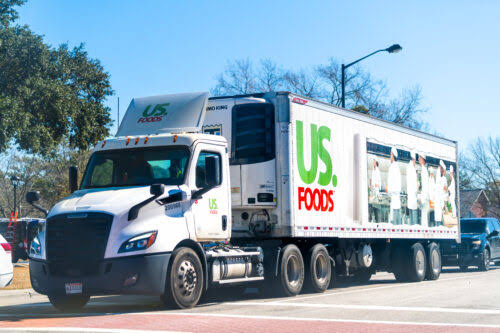
Refrigerated trucks are essential to the U.S. cold chain because food, medicines, and other temperature-sensitive goods must move safely across long distances and dense distribution networks. These vehicles use insulated bodies, refrigeration units, temperature monitoring systems, and controlled loading practices to protect product quality during transport. They support grocery distribution, foodservice supply, pharmaceutical logistics, e-commerce deliveries, and regional warehousing operations.
A recent study by Markntel Advisor highlights that the U.S. refrigerated truck industry was valued at USD 2.82 billion in 2025. It is projected to grow from USD 2.95 billion in 2026 to USD 3.84 billion by 2032, registering a CAGR of 4.5% during 2026–2032. This growth reflects rising temperature-controlled logistics demand, e-commerce grocery expansion, food safety regulations, pharmaceutical cold chain requirements, and fleet modernization.
Food Safety Drives Refrigerated Transport
Food distribution is one of the strongest demand areas for refrigerated trucks because meat, dairy, seafood, frozen meals, fruits, vegetables, and prepared foods require controlled handling. Temperature abuse can affect quality and safety, especially during loading, transit, and delivery. USDA FSIS explains through its refrigeration and food safety guidance that refrigeration slows bacterial growth and helps keep food safer.
This makes refrigerated trucks important for processors, wholesalers, grocery chains, restaurants, and foodservice distributors. Vehicles must maintain suitable temperature ranges across routes that may include traffic delays, multiple stops, and frequent door openings. Reliable refrigeration units, insulated doors, clean cargo areas, and route planning all support safer movement of perishable goods across the U.S. supply chain.
Regulations Shape Fleet Practices
Food transport in the United States is closely connected with sanitary transportation requirements. The FDA’s Sanitary Transportation of Human and Animal Food rule establishes requirements for shippers, loaders, carriers, and receivers to use practices that help prevent food from becoming unsafe during transportation. This reinforces the need for clean vehicles, temperature control, and clear operating responsibilities.
Regulatory expectations influence how refrigerated fleets are managed. Operators need documented procedures for cleaning, pre-cooling, loading, temperature settings, driver training, and cargo protection. Refrigerated trucks must also support traceability and accountability when carrying high-risk or high-value products. These requirements encourage logistics providers to invest in reliable equipment, temperature records, and maintenance discipline.
E-Commerce Grocery Expands Demand
Online grocery and direct-to-consumer food delivery are increasing demand for flexible refrigerated transport. Instead of moving only large palletized loads between warehouses and stores, companies now manage smaller orders, faster delivery windows, and mixed-temperature shipments. This creates demand for refrigerated vans, medium-duty trucks, and last-mile vehicles designed for urban and suburban delivery routes.
E-commerce cold delivery is operationally challenging because vehicles may make many stops in one route. Every door opening can affect cargo temperature, especially in hot or cold weather. Fleet operators need better insulation, route optimization, compartment design, and monitoring systems to protect products while maintaining service speed. As grocery delivery habits grow, refrigerated trucks will remain central to fulfillment networks.
Pharmaceuticals Require Strong Controls
The pharmaceutical cold chain adds another important demand area for refrigerated trucks. Vaccines, biologics, insulin, diagnostics, and specialty medicines can be sensitive to temperature changes. The CDC’s vaccine storage and handling guidance includes information on storage units, temperature monitoring, emergency planning, and staff training, showing why careful cold chain management matters in healthcare logistics.
Pharmaceutical transport often requires tighter documentation than standard freight. Carriers may need validated routes, calibrated sensors, temperature logs, backup procedures, and trained personnel. Refrigerated trucks help connect manufacturers, distributors, hospitals, pharmacies, clinics, and specialty care providers. As healthcare products become more temperature-sensitive, demand for dependable refrigerated fleets is expected to increase.
Technology Improves Fleet Efficiency
Modern refrigerated trucks increasingly use telematics, GPS tracking, digital temperature sensors, remote diagnostics, and automated alerts. These tools help fleet managers detect refrigeration failures, track route performance, monitor fuel use, and confirm delivery conditions. Energy-efficient refrigeration units and improved insulation can also help reduce operating costs while supporting product protection.
The future of the U.S. refrigerated truck sector will depend on food safety requirements, pharmaceutical logistics, e-commerce growth, fuel cost, refrigeration technology, and fleet replacement cycles. Demand is expected to remain supported by cold chain modernization and stricter handling expectations. As supply chains become faster and more quality-focused, refrigerated trucks will continue supporting safe movement of temperature-sensitive goods across the United States.

 English
 Arabic
 French
 Spanish
 Portuguese
 Deutsch
 Dutch
Dutch
 Italiano
 Russian
 Romaian
 Portuguese (Brazil)
 Greek
Greek
 Indonesia