

Block Blast Made Me Stop Rushing (and I Kind of Love That)
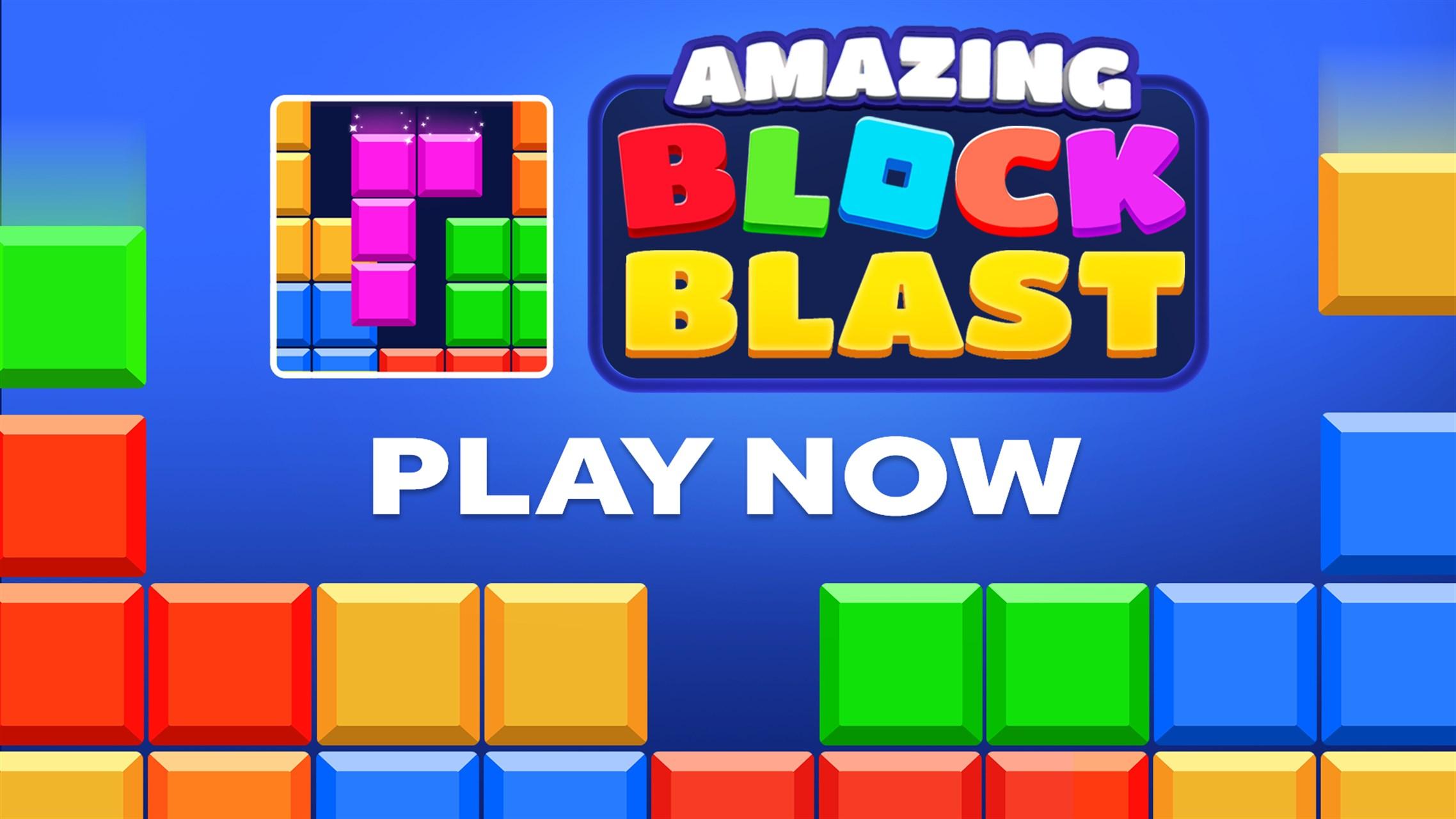
I don’t know what I expected when I first opened Block Blast on my browser. Honestly, it looked simple in that “drag a block, clear a line, repeat” kind of way. I thought I’d get in, place a couple pieces, clear some rows, and be done.
Instead, a few rounds later, I was sitting there way too focused, staring at a nearly full board like it had personally wronged me. I’d say, “Okay, this move is obvious,” place something that felt safe… and then immediately regret it when I realized I’d just trapped a weird little empty space that wasn’t going to behave later.
The “no falling pieces” thing changes everything
One of the first things I noticed in Block Blast game is that there’s no falling chaos. You’re not trying to react in real time to pieces dropping faster and faster. The game is more like a puzzle where you decide where everything goes.
A set of block shapes appears, and you drag each one onto the board where it fits. The catch is that the pieces can’t be rotated, so you’re stuck working with the exact orientation you get. That sounds small, but it totally changes how I think—because sometimes a piece that looks useful at a glance becomes awkward the second you realize you can’t turn it to match the space you want.
And then clearing happens in a satisfying way: fill up a full horizontal row or a vertical column and that line clears immediately. What surprised me is how often a single placement can clear multiple rows/columns at once. The first time it happened, I honestly felt like I’d gotten away with something. Like, yes—my decision mattered. My board didn’t just get a little better; it got visibly easier.
Planning the full set (I did not do this at first)
The game nudges you to look at all the pieces in the current set before you start placing. I ignored that at first. I’d grab the piece that looked easiest to shove into the board and place it way too quickly.
That’s when I started making the same mistake repeatedly: I’d clear a line, sure, but I’d also fill areas that should’ve stayed open. Before long, the board didn’t feel “full”—it felt partitioned. Big pieces became impossible to fit because the board was split into those annoying pockets, and the remaining spaces were too specific.
That’s also when I realized keeping large open areas is way more important than I wanted it to be. Small isolated gaps look harmless until you try to fill them and realize your future pieces won’t match those pockets. You can feel the options collapsing right in front of you.
Why I could finally play “at my own pace”
Here’s something I genuinely appreciate: there’s no countdown timer in this browser version. No frantic “hurry up” pressure. I can take a second, drag the piece, undo nothing, just think.
At first, I used that freedom to rush anyway (because my brain loves being overconfident). But after a couple of failed runs, I started planning a couple moves ahead instead of just chasing the next clear. It changes the whole vibe. I’m not only asking, “Can this piece fit?” I’m also asking, “Does this placement keep a pathway open for the next few shapes?”
Mistakes I made (and what I learned)
My biggest lesson came from the moment I accidentally created an awkward little gap—one empty cell surrounded by blocks. It wasn’t even a dramatic mess, but it effectively became a dead zone.
I also chased multi-line clears too aggressively once. I’d see an opportunity to score right away and forget the long-term board shape. Sometimes the “big clear” I wanted came at the cost of breaking up the board so badly that the rest of the set felt like a math problem with missing variables.
Eventually, I stopped treating the board like it was only about today’s move and started treating it like space management over the whole set. And that’s when things clicked.
A few casual tips I actually used
- Review all available pieces before placing the first one. It’s the difference between “placing blocks” and “solving.”
- Preserve large open areas. Corners and edges are tempting, but they can trap you.
- Don’t ignore isolated gaps. If a pocket feels too tiny, assume it’ll cause trouble later.
- Be okay clearing simpler lines early. Sometimes a calm single row/column clear is the best setup for a cleaner multi-line moment later.
Come play and see who keeps the board open longest
I’m pretty sure I’m going to keep coming back to Block Blast because it’s the kind of online puzzle game where you can feel yourself improving—one placement at a time. If you try it, you’ll probably do exactly what I did: start confident, make one “obvious” move, and then spend the rest of the run trying to fix the mess you accidentally created.
Give it a shot, and if you want, we can trade notes after—because I’d genuinely love to see what strategies other people end up using to keep the board open longer.

 Arabic
 French
 Spanish
 Portuguese
 Deutsch
 Turkish
 Dutch
Dutch
 Italiano
 Russian
 Romaian
 Portuguese (Brazil)
 Greek
Greek
 Indonesia